


Pelvic Floor Therapy for Bowel Issues
in Woodbury, MN
Constipation, straining, painful bowel movements, and bowel leakage are more common than people realize—and often treatable.
If going to the bathroom feels like a struggle, your body may be trying to tell you something.
Bowel problems are incredibly common—but they’re rarely talked about openly. Many people deal with constipation, straining, or difficulty fully emptying their bowels, and IBS for years without realizing that pelvic floor therapy can help.
At Awake Pelvic Health & Wellness, we take a whole-body approach to understanding bowel symptoms. By looking at how your pelvic floor, breathing, core, and movement patterns work together, we help uncover what may be contributing to your symptoms and support your body in returning to more comfortable bowel function.

Common Bowel Symptoms We Help With
Bowel problems can show up in many different ways. Some people notice occasional symptoms, while others deal with daily frustration or discomfort.
We frequently help clients experiencing:
constipation or difficulty having regular bowel movements
IBS, chronic bloating, or gas
straining during bowel movements
feeling like you can’t fully empty your bowels
bowel urgency or needing to rush to the bathroom
leakage of stool or difficulty controlling gas
painful bowel movements
rectocele symptoms or pressure during bowel movements
bowel changes during pregnancy or postpartum
If bowel symptoms have become part of your daily routine, you’re not alone—and there may be more solutions available than you’ve been told.
If this sounds familiar, our team can help.

"I struggled with constipation and straining for years and thought it was just how my body worked. Working with the team at Awake completely changed that. I finally feel like my body is working the way it should again." ~K.J.
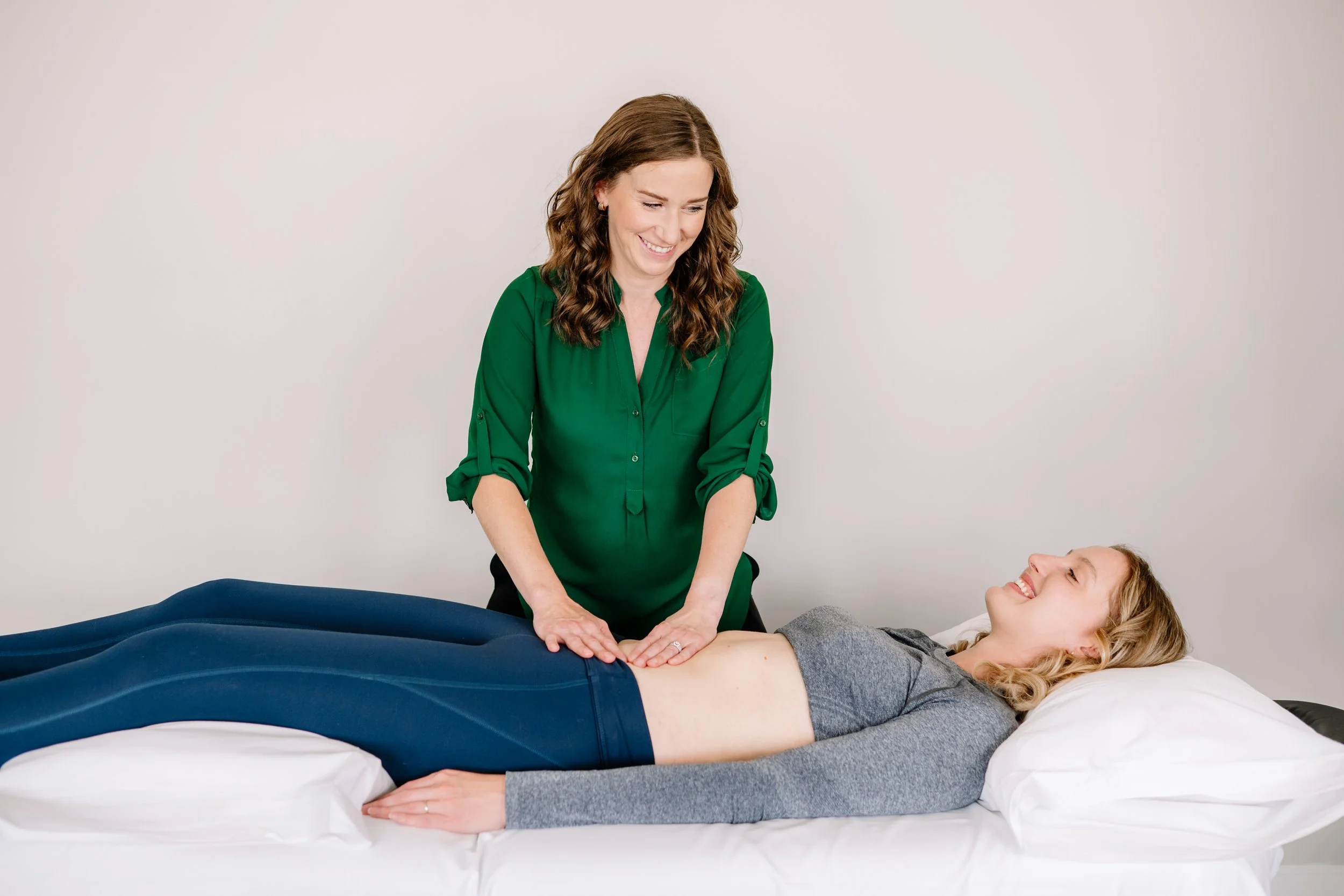
Why Bowel Problems Happen
Bowel symptoms often have more to do with how the pelvic floor muscles are functioning than many people realize.
Common contributing factors include:
pelvic floor muscle tension
difficulty relaxing during bowel movements
pregnancy or postpartum changes
abdominal or core weakness
habits developed to cope with symptoms
past injuries that affect movement patterns
Many people with digestive conditions like IBS, SIBO, hemorrhoids, or anal fissures also develop pelvic floor tension that contributes to ongoing bowel symptoms.
Our team specializes in understanding these connections and helping people find real solutions when bowel problems have been ongoing or frustrating to manage.

What Makes Awake Different
At Awake Pelvic Health & Wellness, we take a whole-body approach to bowel health.
Bowel function isn’t just about digestion—it also involves the pelvic floor muscles, breathing patterns, abdominal coordination, and how your body moves throughout the day.
Our therapists specialize in understanding how these systems work together and identifying patterns that may be contributing to constipation, straining, or difficulty emptying.
By addressing the root causes of these symptoms—not just managing them—we help many people experience more comfortable and natural bowel movements.
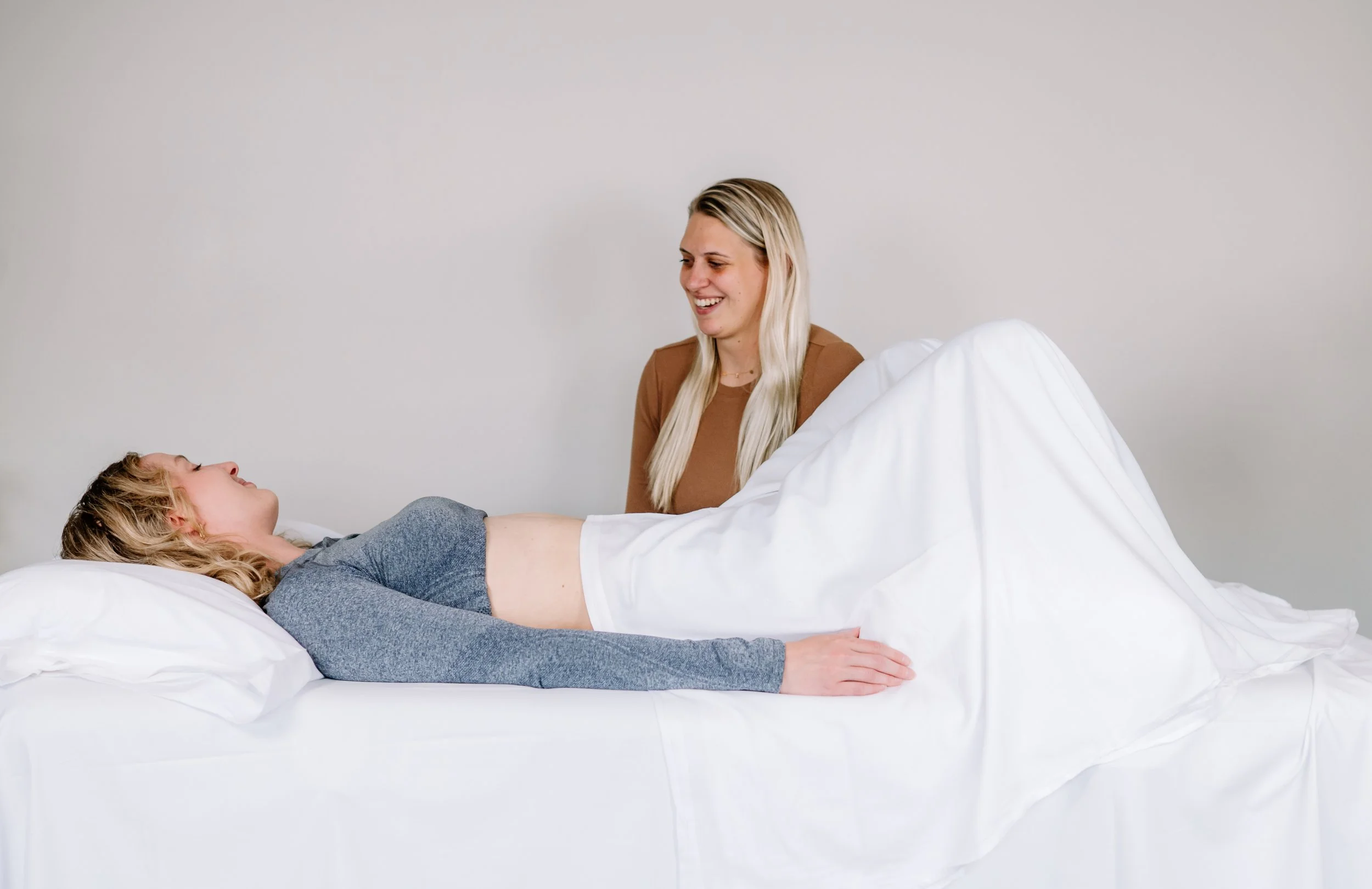
How We’ll Work Together
Step #1: Contact Us
Submit our contact form to set up your 10–15-minute new client call.
Step #2: New Client Call
(10–15 min) We’ll answer your questions and book your first evaluation.
Step #3: Initial Evaluation
A full one-on-one visit with your doctor of physical therapy.
Step #4: Follow-up Sessions
Your customized plan for healing, rebuilding, and long-term wellness.
Common Questions About Bowel Problems
Why do I have to strain to have a bowel movement? Straining often happens when the pelvic floor muscles have difficulty relaxing during a bowel movement. When these muscles stay tight instead of lengthening, stool becomes harder to pass comfortably.
Why do I feel like I can’t fully empty my bowels? That incomplete emptying feeling is often related to pelvic floor muscle tension or coordination problems. Even after a bowel movement, the muscles may still be restricting normal emptying.
Can pelvic floor therapy help constipation? Yes. In many cases, constipation is influenced by how the pelvic floor muscles function. Pelvic floor therapy can help your body learn how to relax these muscles so bowel movements become easier and require less straining.
Why do hemorrhoids or fissures keep coming back? Hemorrhoids and fissures often develop when repeated straining places pressure on the tissues around the anus. Improving pelvic floor relaxation and reducing strain can help support healing.
Can pelvic floor therapy help IBS or SIBO? Many people with IBS or SIBO develop pelvic floor tension over time due to chronic discomfort or altered bowel habits. Addressing how these muscles function can improve bowel movement comfort and coordination.
What Our Clients Say
